
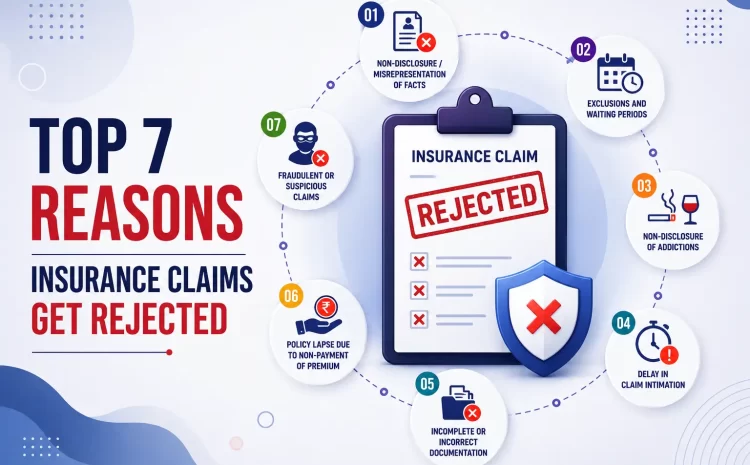
Top 7 Reasons That Insurance Claims Get Rejected in India
Insurance is meant to protect families during difficult times. Whether it is a medical emergency, accident, or the loss of a loved one, people trust insurance companies for financial support when they need it the most.
Handling complex insurance claim cases requires deep expertise. At Claim Settlement Guru, we specialize in resolving rejected Health Insurance, Mediclaim, and Life Insurance claims across India. With over 29 years of experience in the insurance industry, our experts carefully analyze each case, identify the real reason for claim rejection, and prepare a strong appeal with proper documentation.
However, many insurance claims in India get rejected due to lack of awareness, incomplete documentation, or policy-related issues. A rejected claim can create emotional stress and financial burden for families already going through a tough situation.
Understanding the common reasons behind insurance claim rejection can help policyholders avoid mistakes and improve the chances of successful claim settlement.
In this blog, we explain the top 7 reasons insurance claims get rejected in India and what you can do to avoid them.
1. Non-Disclosure or False Information
One of the biggest reasons for health insurance claim rejection and life insurance claim rejection is hiding important information while purchasing the policy.
This may include:
- Pre-existing diseases
- Previous surgeries
- Incorrect age or occupation
- Wrong income details
Insurance companies verify records during claim processing. If they find incorrect or hidden information, the claim may be rejected.
How to Avoid It
Always provide accurate and complete information in the proposal form. Being honest during policy purchase protects your family in the future.
2. Exclusions and Waiting Periods
Every insurance policy has exclusions and waiting periods. Many people do not read policy terms carefully and later face rejection during claim settlement.
Common Exclusions
- Cosmetic treatments
- Dental procedures
- Self-inflicted injuries
- Certain diseases or treatments
Waiting Period Issues
Most health insurance policies have waiting periods for:
- Pre-existing diseases
- Maternity benefits
- Specific illnesses
If treatment happens during the waiting period, the insurer may reject the claim.
How to Avoid It
Read the policy document carefully and understand what is covered and what is not.
3. Hiding Smoking or Alcohol Habits
Insurance companies calculate risk based on lifestyle habits. If a person hides smoking, alcohol consumption, or substance addiction while buying insurance, the claim may be denied later.
Hospital records and medical reports often reveal such details during investigation.
How to Avoid it
Always disclose lifestyle habits honestly. Transparency increases trust and helps avoid future claim disputes.
4. Delay in Informing the Insurance Company
Insurance companies require policyholders or family members to inform them about hospitalization, accidents, or death within a specific time.
Delays in claim intimation can lead to rejection.
Common Reasons for Delay
- Lack of awareness
- Family stress during emergencies
- Missing policy details
How to Avoid it
Keep policy documents easily accessible and inform the insurance company immediately after the incident.
5. Incomplete Documentation
Documentation plays a major role in insurance claim settlement. Missing or incorrect documents often cause delays or rejection.
Common Missing Documents
- Hospital bills
- Medical reports
- Death certificate
- FIR in accidental cases
- Claim forms
Even small mistakes like signature mismatch or incomplete forms can create issues.
How to Avoid it
Maintain organized records and double-check all documents before submission.
6. Policy Lapse Due to Non-Payment
If premiums are not paid on time, the policy may become inactive. In such cases, insurance companies may reject the claim.
Many people forget renewal dates or assume the policy is still active.
How to Avoid it
- Enable auto-payment reminders
- Use auto-debit facilities
- Track renewal dates regularly
Keeping your policy active is essential for uninterrupted financial protection.
7. Fraudulent or Suspicious Claims
Insurance companies carefully investigate suspicious claims. Fake bills, manipulated reports, or false information can lead to immediate rejection.
Examples
- Fake medical expenses
- False accident claims
- Duplicate claim submissions
Insurance fraud also affects honest policyholders by increasing premiums.
How to Avoid it
Submit genuine documents only and always follow a transparent process.
What to Do If Your Insurance Claim Gets Rejected?
A rejected claim does not always mean the process is over. Many claims can still be resolved through proper appeal procedures and expert guidance.
Steps After Insurance Claim Rejection
- Read the rejection letter carefully
- Understand the reason for rejection
- Collect all supporting documents
- Submit a formal appeal
- Contact grievance authorities if needed
- Seek professional insurance claim assistance
Proper guidance can improve the chances of successful claim dispute resolution.
How Claim Settlement Guru Can Help
Claim Settlement Guru provides professional support for rejected insurance claims and insurance claim appeal services across India.
Their experienced team helps families with:
- Rejected insurance claim help
- Insurance grievance assistance
- Claim dispute resolution
- Documentation support
- Insurance claim guidance
Whether it is a health insurance claim rejection or life insurance claim denial, expert support can help families understand the next steps with confidence.
Useful Links
Final Thoughts
Insurance claim rejection can be stressful and emotionally difficult. But in many cases, rejections happen because of avoidable mistakes such as incomplete information, missing documents, or lack of awareness about policy terms.
Understanding these common reasons can help policyholders avoid problems and protect their financial future.
Most importantly, if your claim gets rejected, do not panic. With the right professional guidance and proper appeal process, many claims can still be reviewed and resolved successfully.